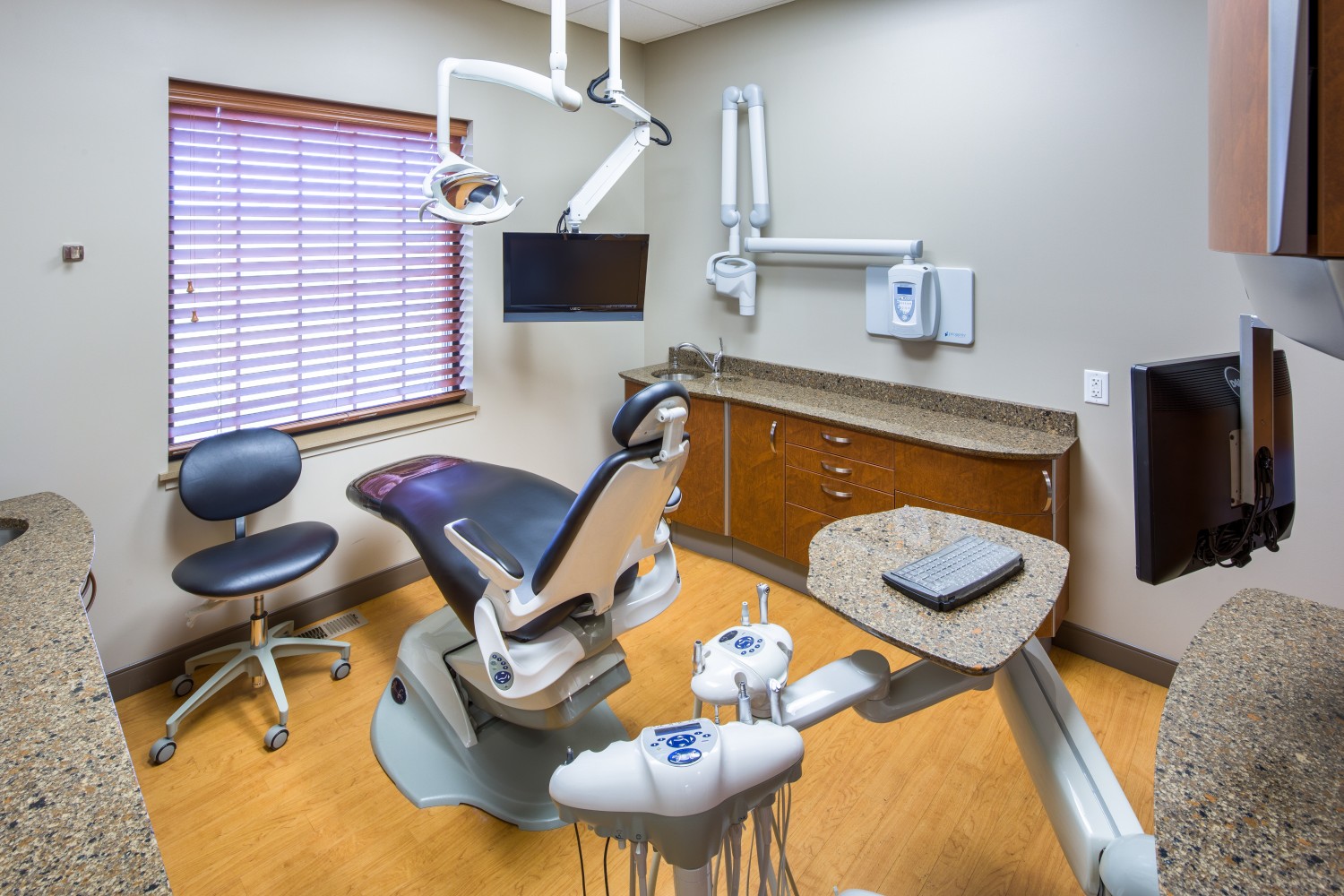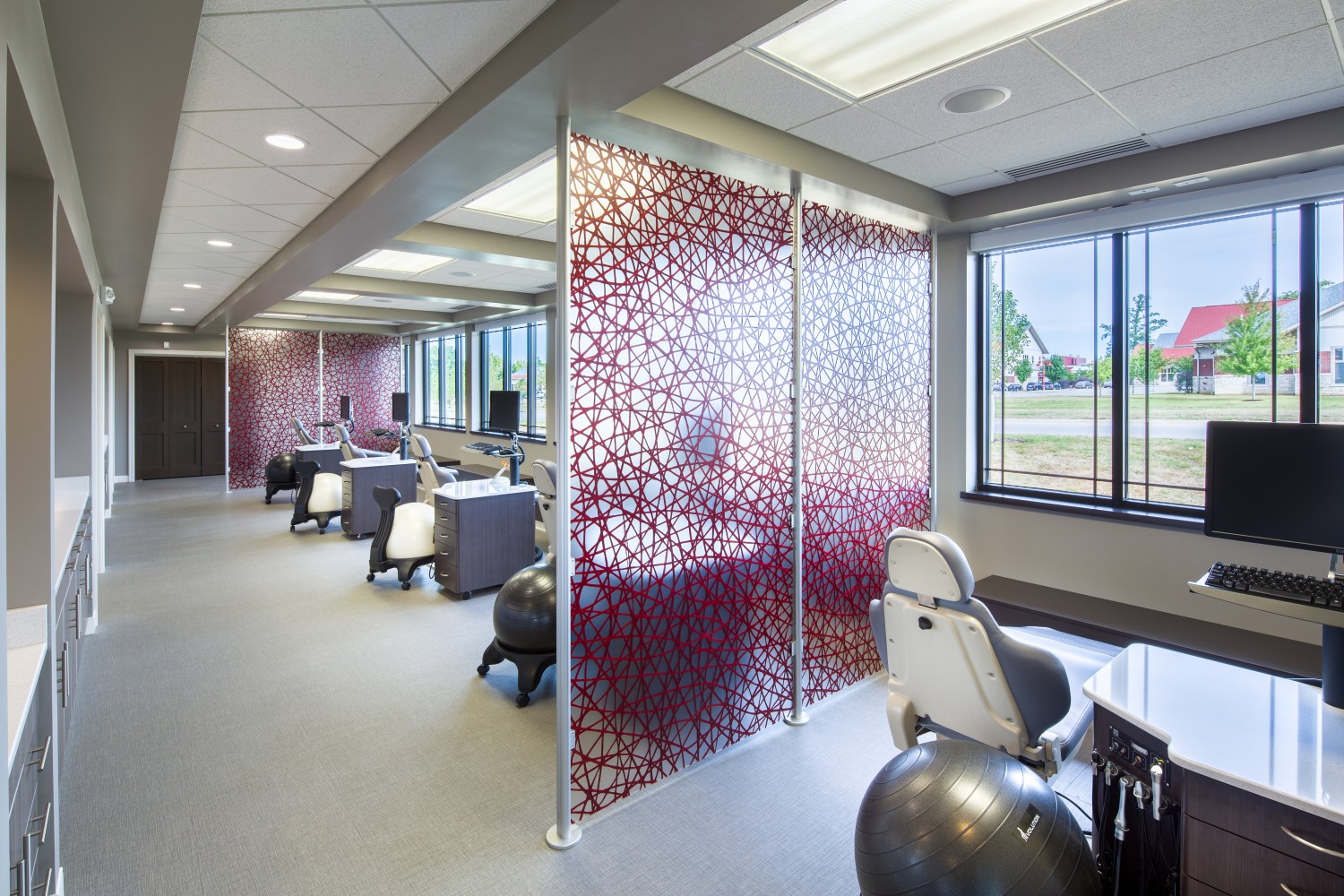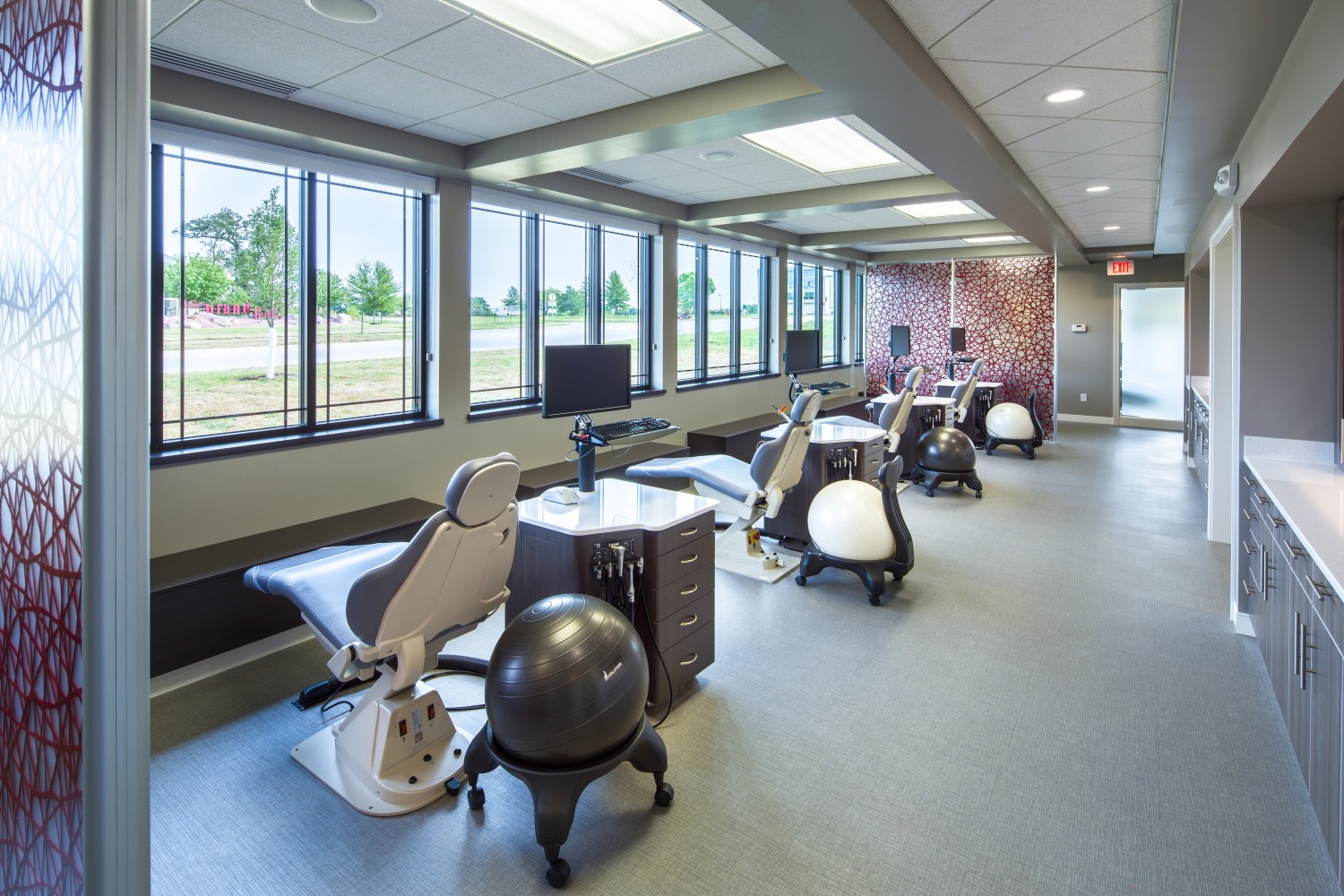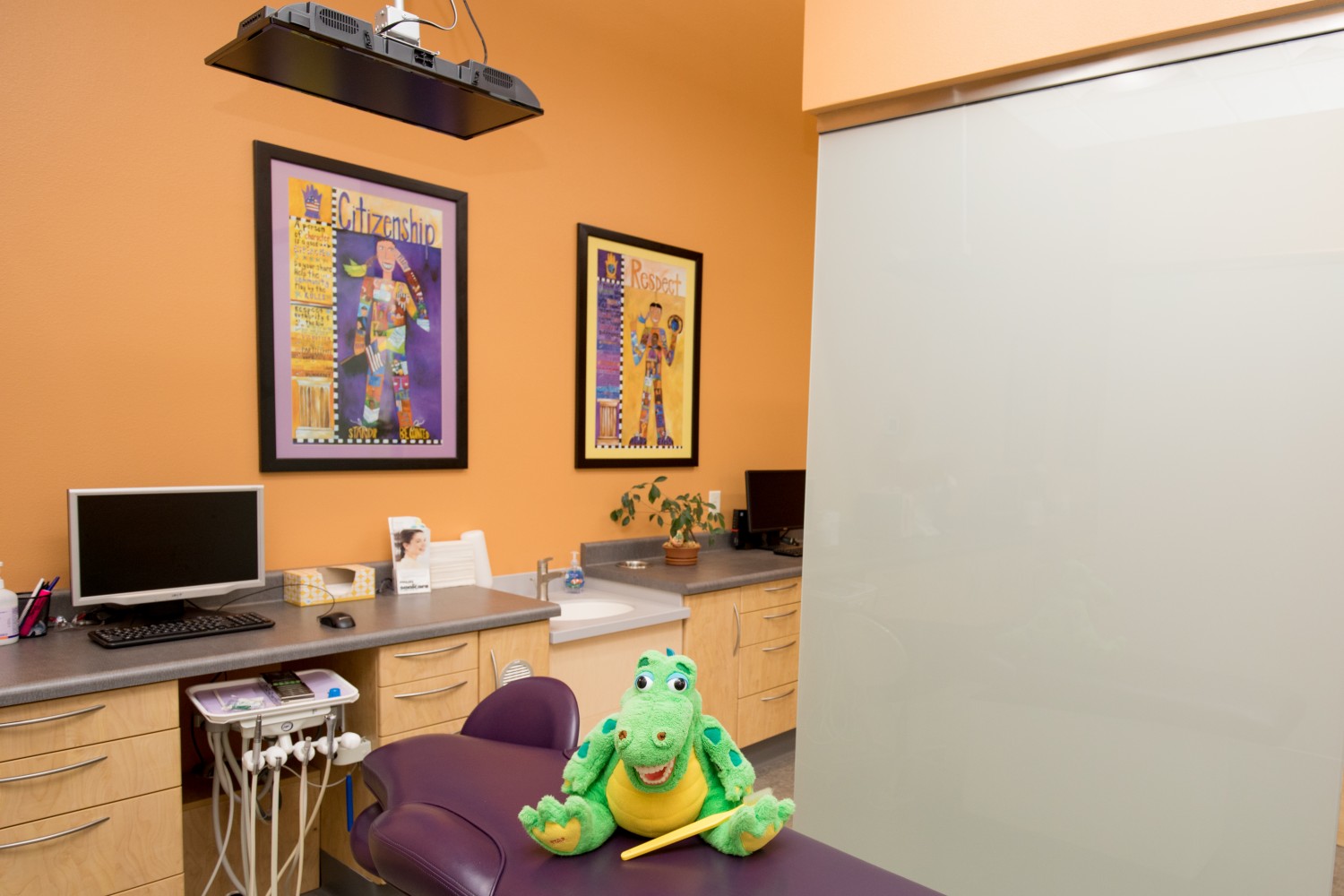
Running a dental practice is hard enough without worrying whether your technology will survive the next wildfire season or grid event.
Running a dental practice in Los Angeles dental IT support territory means more than skilled clinicians and modern equipment. It means protecting patient data, meeting HIPAA and California-specific breach notification rules, planning for the kind of wildfire and grid disruption events that have already cost LA businesses billions, and keeping practice management software and imaging systems running through every appointment. Medix Dental IT works with dental practices and DSOs across Greater Los Angeles on exactly that.
Los Angeles is the second-largest metro in the United States, with more than 12.9 million residents spread across LA, Long Beach, Anaheim, Beverly Hills, Santa Monica, Pasadena, Burbank, Glendale, Irvine, Torrance, Culver City, West Hollywood, Manhattan Beach, and the surrounding suburbs. California stacks the strictest consumer privacy regime in the country (CCPA and CPRA) on top of HIPAA, and a 2025 amendment to Cal. Civ. Code §1798.82 put California breach notification on a 30-day clock effective January 2026.
Dental IT Support for Los Angeles Practices and DSOs
Dental IT in Los Angeles is its own discipline, not generic small-business support with a tooth on the logo. An LA practice runs a specific stack: Dentrix, Eaglesoft, or Open Dental for practice management, Dolphin or Ortho2 for orthodontics, and Carestream or Sidexis driving high-resolution imaging and CBCT, all sitting on a HIPAA-aligned identity and access model that cannot be optional. When the IT partner does not know that stack, they close tickets without ever touching the root cause, and the same problems keep coming back at the worst possible moment. A practice that loses its imaging server mid-morning is not having an IT problem. It is having a revenue problem.
Medix Dental IT has worked exclusively in dental for more than 20 years and supports more than 1,000 practices nationwide, from solo offices and dental specialists to multi-location groups and DSOs. Our team supports Greater Los Angeles practices remotely from our national operations center, with on-call dispatch when on-site work is required.
Key Dental IT Services for Los Angeles Practices
The five areas that move the needle for an LA-area dental practice are the same ones we deliver across our national base.
Cybersecurity and HIPAA protection. Enterprise-grade cybersecurity assessments, MDR, identity governance, MFA enforcement, and tenant-level monitoring inside Microsoft 365 or Google Workspace. In California, the bar sits higher than HIPAA because CCPA and CPRA pull consumer privacy obligations on top of federal compliance. Antivirus alone is not a cybersecurity program.
Data protection and disaster recovery. Automated backup and disaster recovery with restore testing. Dental practices that cannot bring imaging and PMS data back inside hours lose production and patient trust on the same day.
24/7 support and monitoring. Endpoint monitoring, network monitoring, and after-hours coverage. LA practices opening early or running ortho and oral surgery extended hours need support that does not stop at 5 p.m.
Cloud and Open Dental hosting. Multi-location LA groups benefit from cloud-first deployment. Cloud Open Dental in particular scales to dozens or hundreds of locations on a single database, which matches how a growing Southern California group needs to operate.
Lifecycle planning. In a market where a single outage can already cost a full day of production, aging hardware is a risk you schedule away, not a cost you defer. We keep workstations and servers on a planned refresh under active warranty, so equipment is replaced on a calendar instead of failing in the middle of a Monday. As Tom Terronez puts it, every minute of downtime is revenue walking out the door, and unplanned replacement spend is the most expensive way to find that out.
The Los Angeles DSO Footprint
Greater Los Angeles is one of the most DSO-dense dental markets in the country, and California is home to several of the larger national DSO operators.
Western Dental is headquartered in Orange and operates a dense LA footprint, with offices on South Soto, South Western, Venice, West Centinela, Vine, and Beverly Boulevard among others. PDS Health (Pacific Dental Services) operates a major support center in Irvine and supports offices across LA and Orange County. Smile Brands, through its Bright Now! Dental affiliation, operates LA locations including West Pico, South Alameda, South Sepulveda, and Laurel Canyon. Heartland Dental supports California offices across LA, San Diego, and the Bay Area. Aspen Dental maintains locations throughout Southern California.
The shared characteristic of LA DSOs that scale cleanly is technology standardization. As Tom Terronez frames it, a DSO that runs like 15 separate practices gets valued like 15 separate practices, and most of that fragmentation hides in the technology. DSO IT services at scale require a single security baseline, unified identity and access, real KPI reporting across locations, and a deployment playbook that does not break when the next acquisition closes. Multiple MSPs across acquired practices create the opposite of that.
Wildfires and Grid Risk Made Disaster Recovery an LA Dental Issue
The January 2025 Palisades and Eaton wildfires destroyed more than 16,000 structures across LA County. The LA County DEO and LAEDC analysis projected total output losses between $5.2 billion and $10.1 billion, with roughly 6,800 businesses and 47,000 workers affected across the burn zones and adjacent areas. Healthcare and dental practices across affected zones lost the basics for days. Servers, phone systems, internet circuits, and on-premise practice management deployments went down together.
That is the case for cloud-first dental IT, and California makes it year-round. Public Safety Power Shutoffs during high-wind days. Earthquake risk. Wildfire smoke advisories that close offices for days at a time. Cloud-hosted PMS keeps patient data accessible from any working internet connection. Offsite-replicated backups stay safe when the server in the office does not. Cloud-hosted VoIP keeps the phone tree forwarding calls even when the office line goes dark. Identity and access controlled at the tenant level inside Microsoft 365 or Google Workspace travels with the staff, not the building.
California Dental Cybersecurity Compliance Is Tighter Than HIPAA
Dental breaches in California are no longer rare events. In January 2026, Tieu Dental Corporation disclosed unauthorized access affecting names, dates of birth, Social Security numbers, medical records, treatment plans, prescriptions, and health insurance information.
The compliance clock in California is short, and it just got shorter. Under Cal. Civ. Code §1798.82 as amended effective January 1, 2026, breached entities must notify affected California residents within 30 days of discovery. When more than 500 California residents are affected, the California Attorney General must be notified, with the sample submission due within 15 calendar days of resident notification. HIPAA breach reporting to the HHS OCR Breach Portal applies on top of California requirements, and the California rule covers more data types than HIPAA does (Social Security numbers, driver’s license and state ID, financial account numbers, biometric data, and online account credentials).
The defensive baseline is the same one we apply across our national client base. Enterprise MFA. Endpoint detection and response. Identity governance. Quarterly vulnerability management. A vendor risk register. Microsoft Research found MFA alone reduces account compromise risk by 99.22%, yet a meaningful share of dental practices still treat it as optional. In California, optional is an expensive position.
Why Los Angeles Dental Practices Work With Medix
The reasons dental practices and DSOs across Greater Los Angeles choose Medix break down into four things that compound over time.
Dental focus, not a dental side practice. 20+ years exclusively in dental. Every engineer on our team works on dental software, dental imaging, and dental-specific cybersecurity every week. Generalist MSPs miss the details that quietly cost a practice real money.
Enterprise-grade cybersecurity by default. MDR, identity governance, M365 tenant-level monitoring, MFA enforcement, vulnerability management, and a real vendor risk register. Not antivirus plus a checkbox.
Real KPI reporting. Uptime, ticket trends, endpoint compliance, MFA adoption, backup health and restore test status, workstation and server age distribution. If a managed service partner cannot report on these monthly, it is not managed service.
Built for California’s compliance stack. Multi-location groups across LA, Long Beach, Anaheim, Pasadena, and the wider metro need standardized identity, a single security baseline, and a disaster recovery posture that holds up through wildfire season and grid disruption. That is the work, not generic ticket support.
The Bottom Line for Los Angeles Dental Practices
Dental IT support in Los Angeles is a different job than supporting a typical small business. The software is specialized, the imaging is bandwidth-heavy, the compliance overhead stacks CCPA on top of HIPAA, and Southern California weather and grid events make disaster recovery a year-round planning input. California breach notification rules make every minute count when something does go wrong.
Whether you run a solo practice in Beverly Hills, a growing pediatric group across Pasadena and Burbank, or a multi-location DSO consolidating acquired offices across the LA metro, the questions are the same. Is the security posture actually enforced? Can the IT partner show you KPIs every month? Will the practice still operate when wildfires close the freeway or PSPS takes the block offline? Is lifecycle planned, or is it surprise CapEx?
If you are evaluating dental IT support for a Los Angeles practice and want a second set of eyes on your current setup, we are happy to compare notes.
Los Angeles Dental IT Support FAQs
What areas of Greater Los Angeles does Medix Dental IT support?
We support dental practices across the LA metro including Los Angeles, Long Beach, Anaheim, Beverly Hills, Santa Monica, Pasadena, Burbank, Glendale, Irvine, Torrance, Inglewood, Culver City, West Hollywood, Manhattan Beach, Sherman Oaks, Studio City, and the surrounding suburbs. Our team supports Greater LA remotely from our national operations center, with on-call dispatch for on-site work when required.
How should LA dental practices plan for wildfire and PSPS-season IT outages?
The January 2025 Palisades and Eaton fires made the case for cloud-first dental IT in LA specifically. Cloud-hosted PMS keeps patient data accessible from any working internet connection. Offsite-replicated backups stay safe when an office server does not. Cloud-hosted VoIP keeps the phone tree forwarding calls even when the office line goes dark. Tenant-level identity and access in Microsoft 365 or Google Workspace travels with the staff. A modern disaster recovery posture treats Public Safety Power Shutoffs and wildfire-related closures as a planning input, not a surprise.
How does California breach notification differ from HIPAA?
Cal. Civ. Code §1798.82, as amended effective January 1, 2026, requires breached entities to notify affected California residents within 30 days of discovery and notify the California Attorney General within 15 calendar days of resident notification when more than 500 California residents are affected. HIPAA breach reporting to the HHS OCR Breach Portal applies on top of California requirements. The California rule covers more data types than HIPAA does, including Social Security numbers, driver’s license and state ID, financial account numbers, biometric data, and online account credentials. A dental practice can have a California notification obligation even on incidents that fall outside the federal HIPAA scope.
Do you support LA DSOs and multi-location dental groups?
Yes. A meaningful share of our client base operates multiple locations, including dental groups and DSOs scaling across Greater Los Angeles. The work at multi-location scale is a single security baseline, unified identity and access, KPI reporting that rolls up across every location, and a deployment playbook that holds together through the next acquisition rather than fragmenting with it.
Which dental software does Medix support in Los Angeles?
Our engineers work daily with Dentrix, Eaglesoft, Open Dental, Dolphin, Carestream, Sidexis, Ortho2, and Planmeca, including the imaging side of CBCT and intraoral systems. Open Dental in particular can be deployed in the cloud at DSO scale, which is increasingly the right pattern for growing California groups consolidating acquired practices.
How fast can a Los Angeles dental practice switch to Medix?
It depends on size and current setup. A single-location LA office on one PMS with a handful of workstations usually moves over within a few weeks. A multi-location group carrying mixed PMS platforms or inherited MSP contracts from prior acquisitions takes longer, and we sequence those transitions office by office rather than cutting everything over at once. Either way, the objective is the same: no clinical downtime during the move.
Posted in Service Areas