
June 4th, 2026
How AI Voice Cloning Scams Target Dental Practices
Industry Research — AI in Dentistry
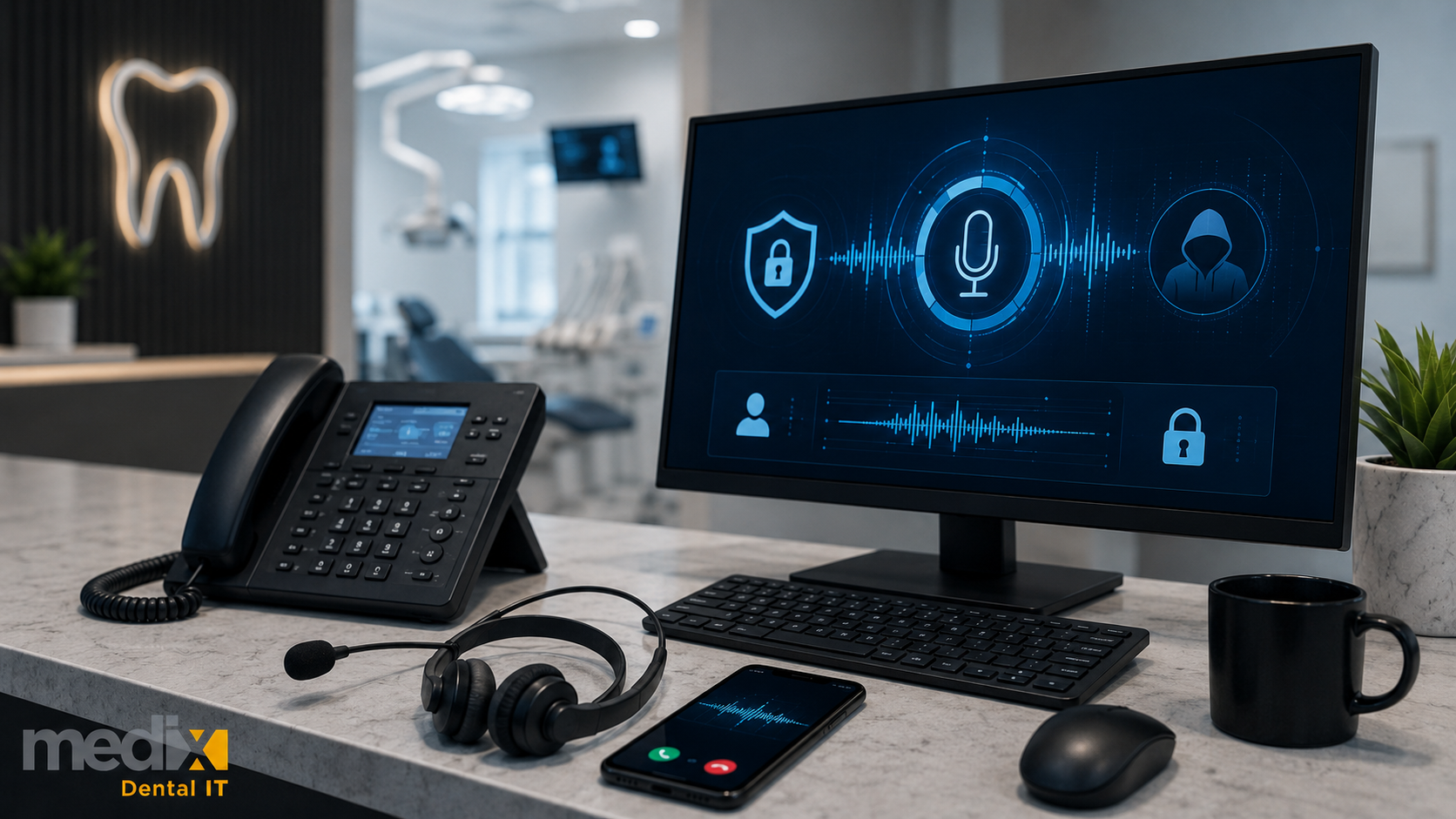
A few years ago, voice cloning was a research demo. Today as little as three seconds of audio is enough to produce a recognizable clone of someone’s voice. The samples come from anywhere a dentist or office manager appears in public: Google review video responses, practice TikToks, podcast interviews, ADA conference panels, and community fundraisers. The threat model is straightforward even if specific attacker harvesting channels are not yet publicly documented incident by incident.
The result is a new category of attack that the dental industry has not built a defense for yet. Voice cloning fraud is now hitting dental front desks directly, and the playbook is more specific than the awareness training most practices use to defend against it.
This is a tactical read on how AI voice cloning scams target dental offices in 2026, the three attack scripts that work, and the front-desk verification SOP that actually stops them.
Why Dental Front Desks Are the Target
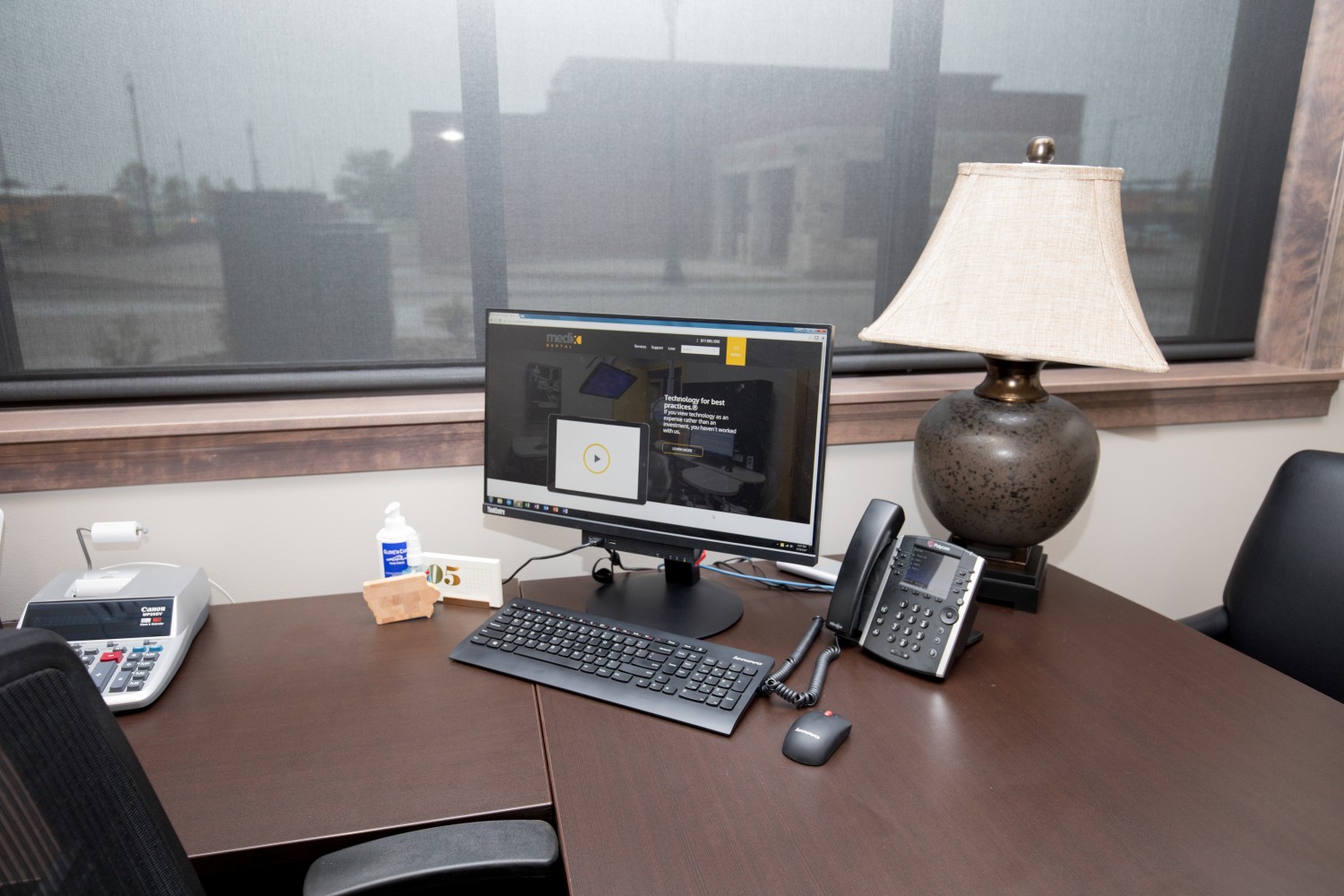
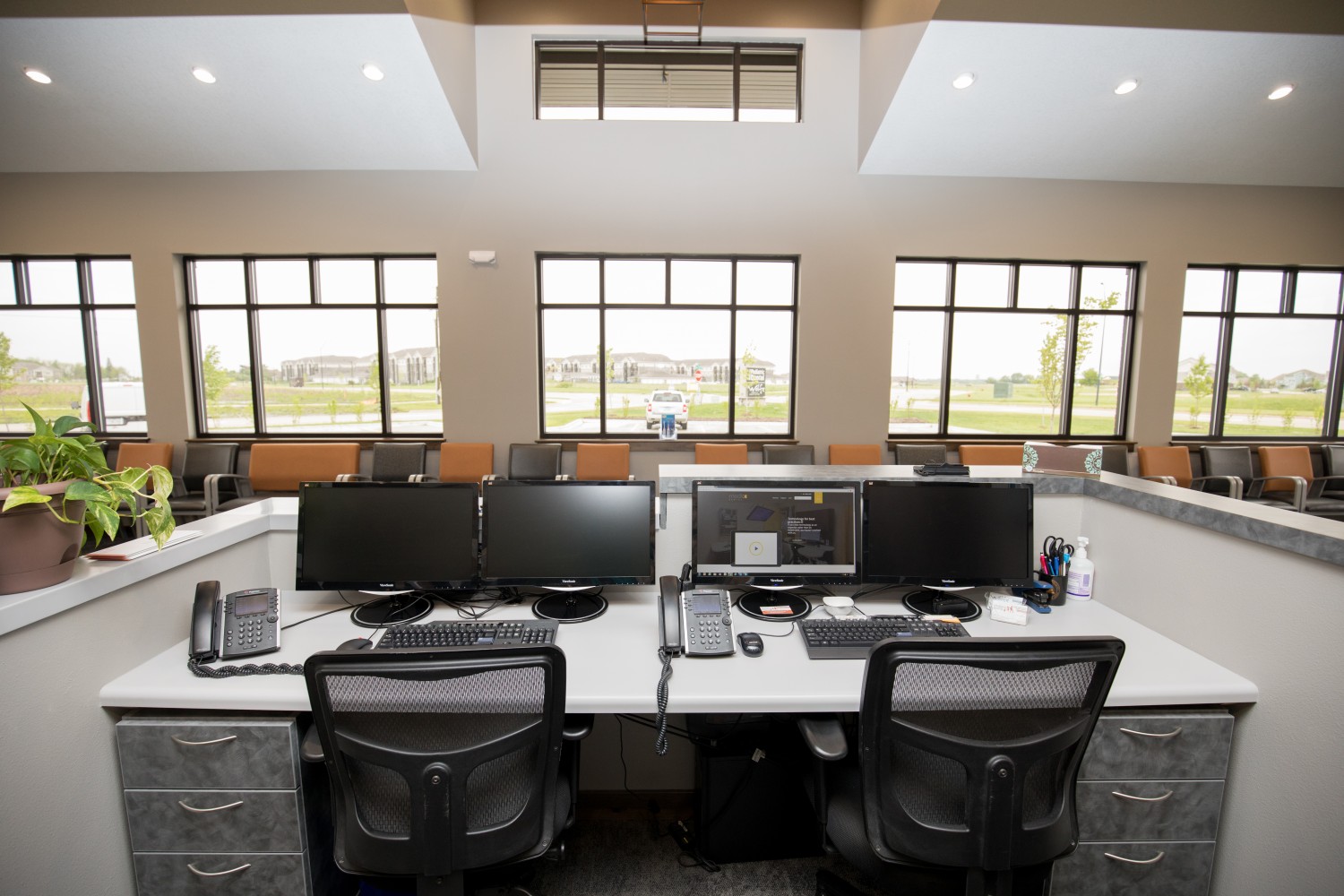
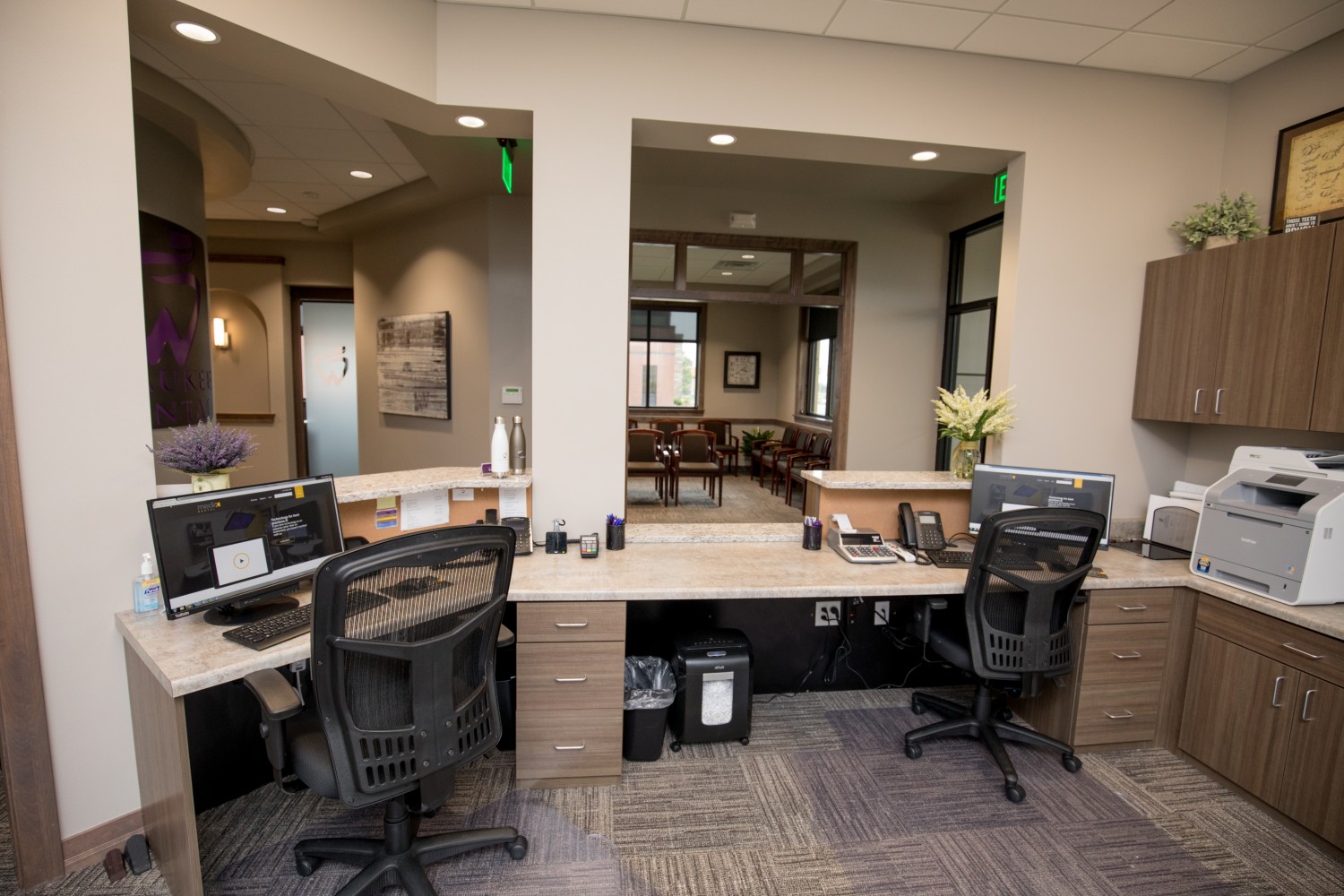
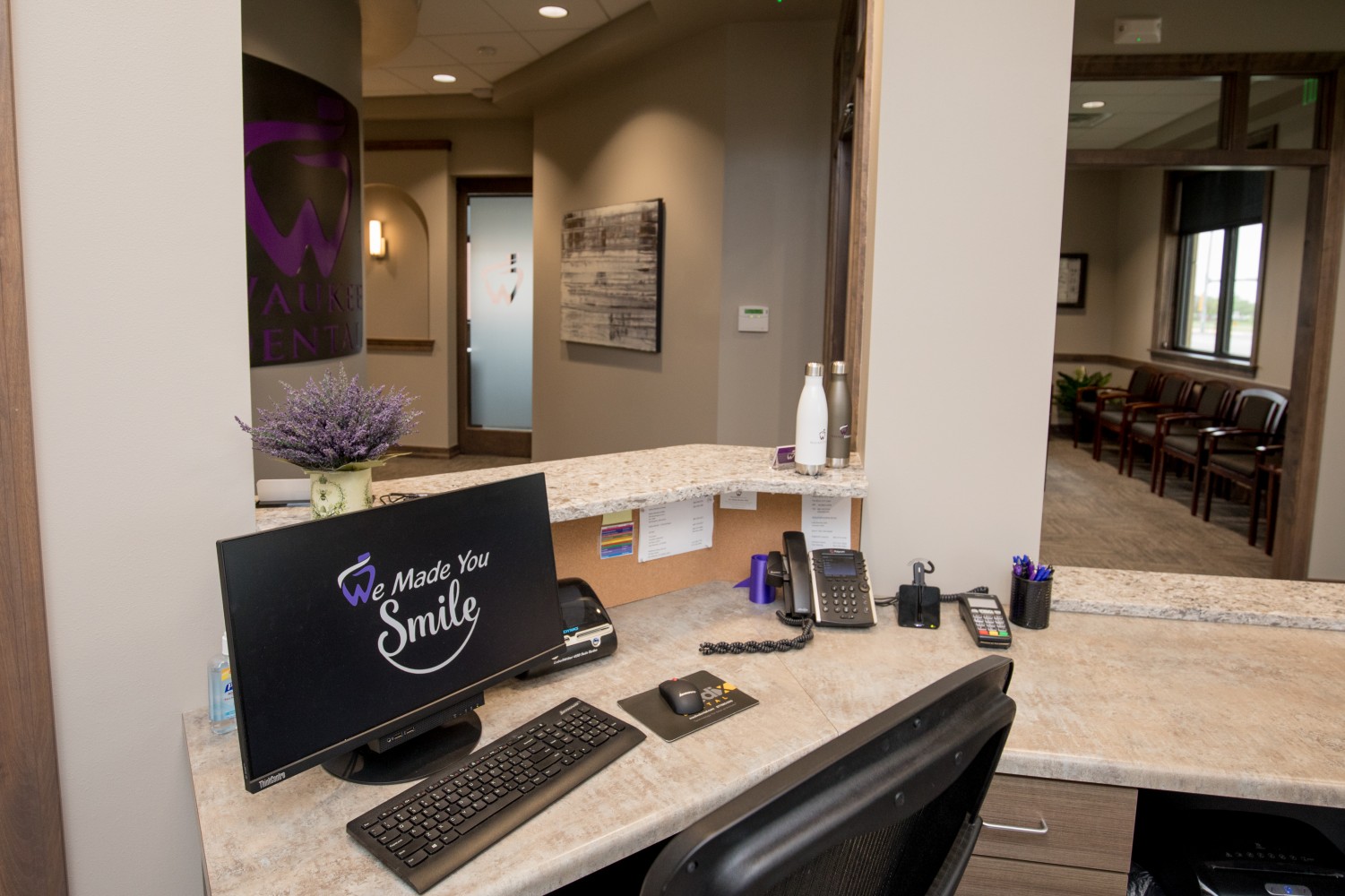
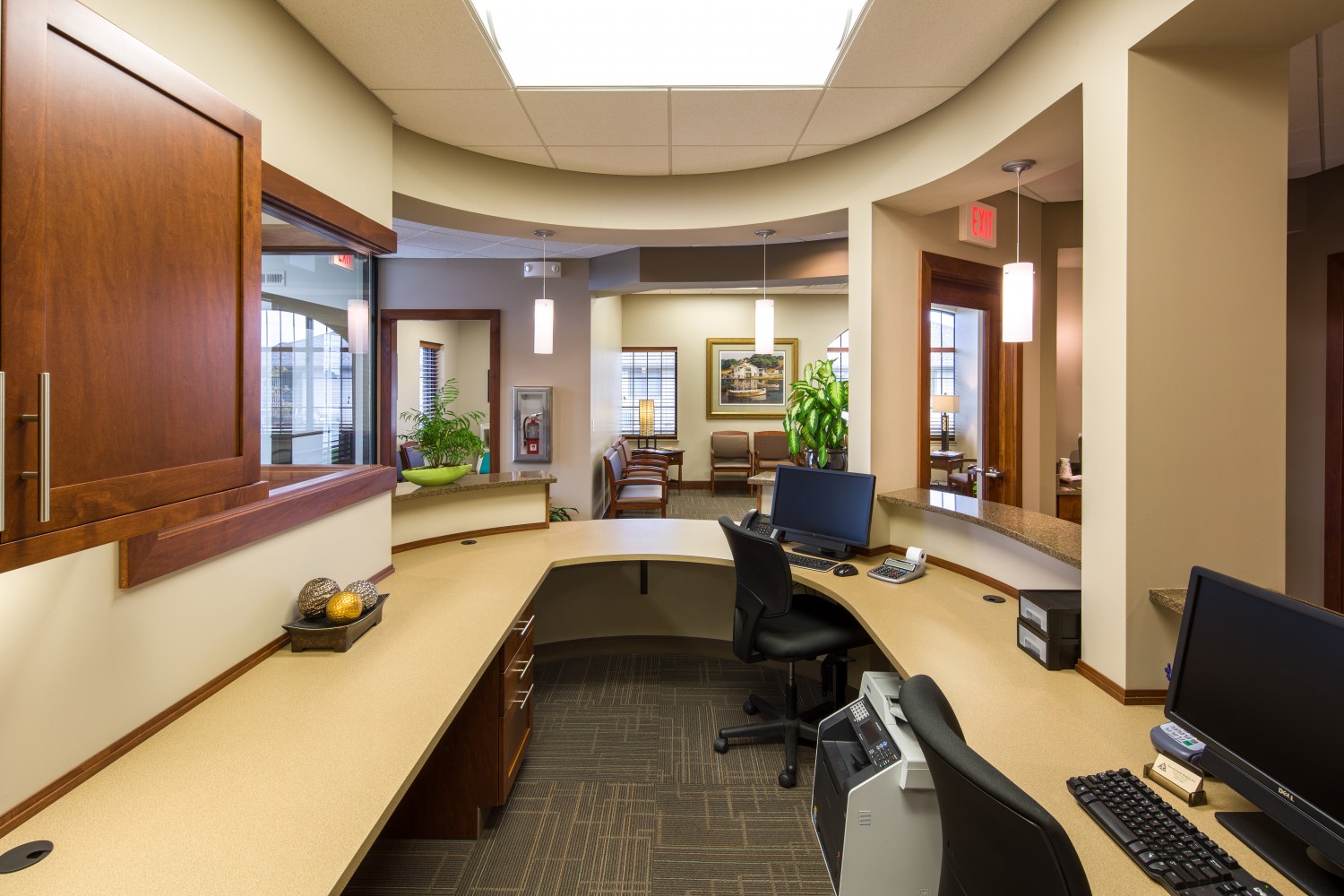
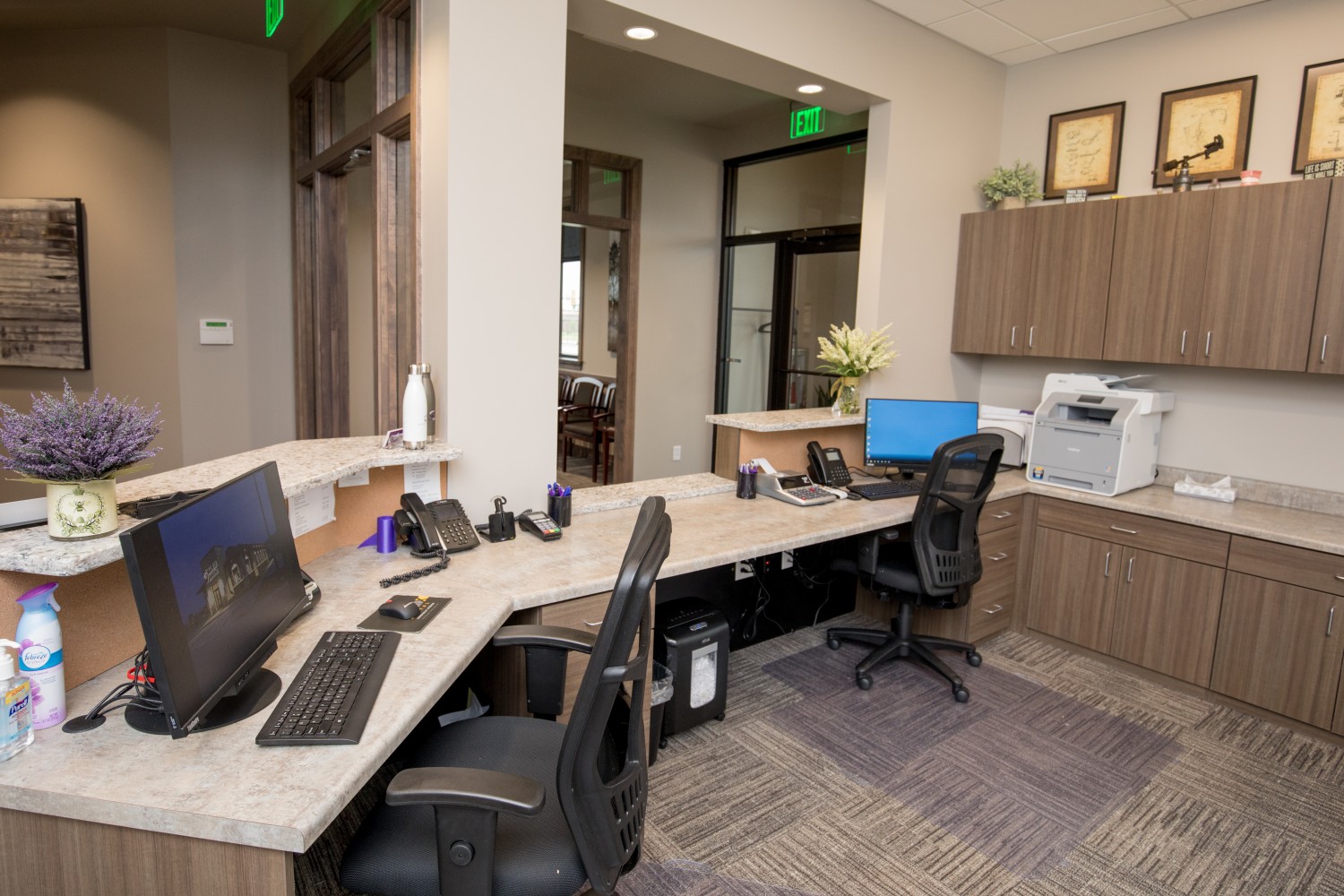
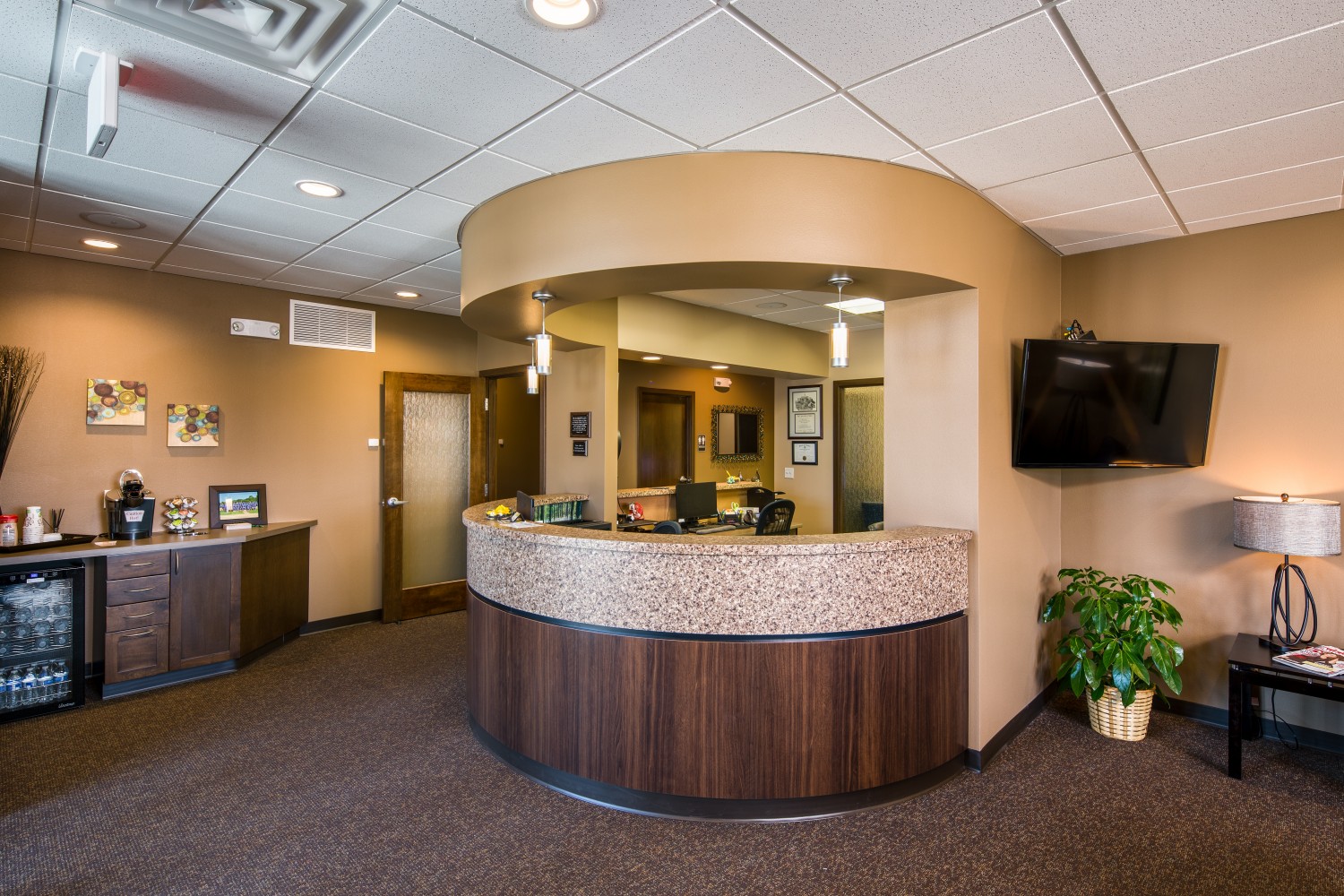
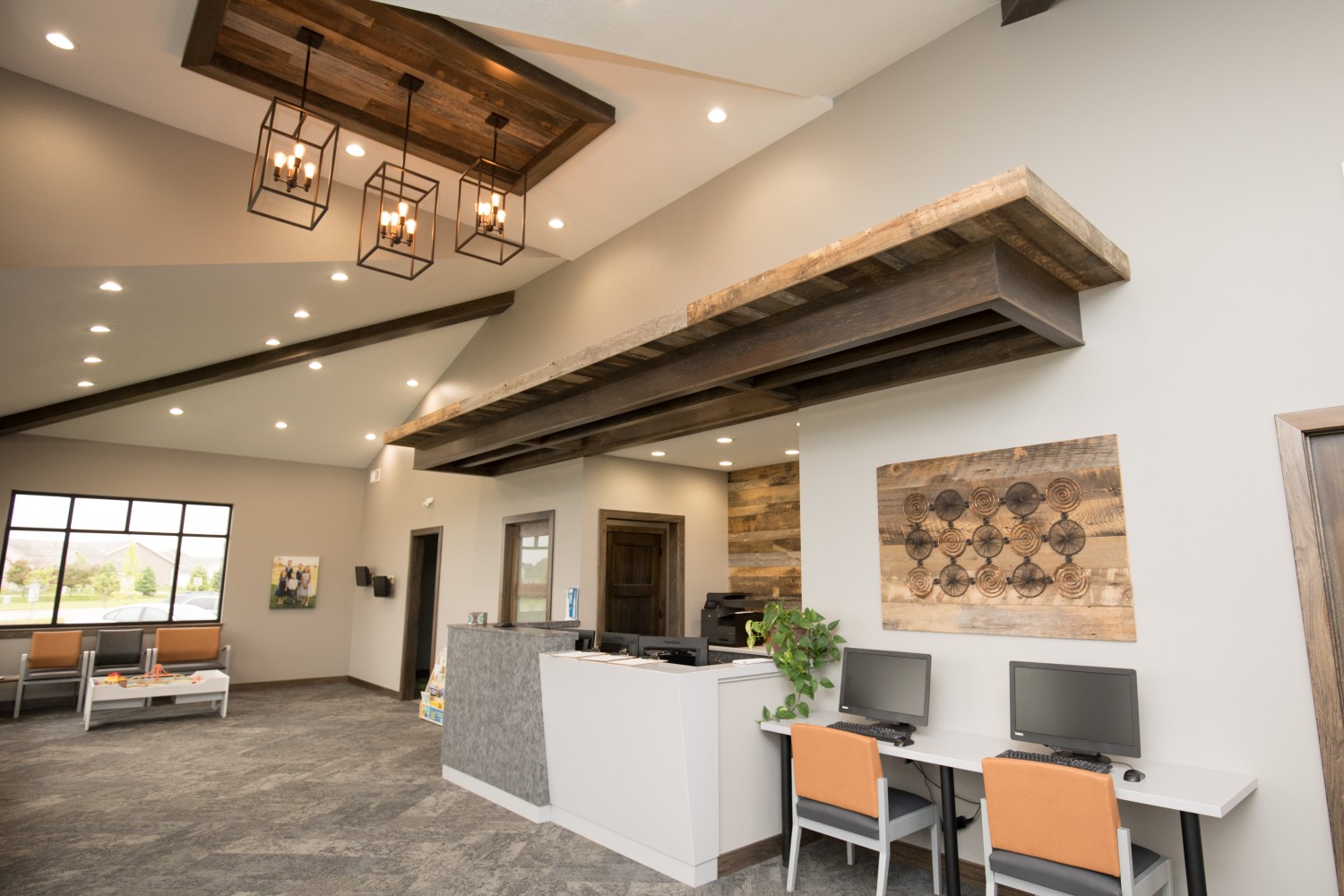
The front desk holds the keys to a dental practice. Schedule access, patient records, payment systems, insurance verification, and the kind of operational authority that lets a single call set off a chain of downstream actions. Most front desk teams have never met every regional manager, every vendor, every clearinghouse rep, and every Schein or Patterson account manager in person. That is the gap.
The FBI IC3 2025 Annual Report logged 22,364 AI-related fraud complaints totaling more than $893 million in losses in 2025, the first year IC3 broke out AI as its own category. CrowdStrike’s 2025 Threat Hunting Report measured a 442% increase in voice phishing between the first and second halves of 2024, and dental and specialty healthcare practices are showing up as targets more often. Healthcare is also where the largest known voice clone exposure landed: a single US provider exposed roughly $40 million in account activity to fraudulent AI bot calls in 2025, per Pindrop’s healthcare attack analysis.
Most dental organizations think their biggest cybersecurity risk is a hacker breaking through a firewall. It is not. You can build Fort Knox around a practice. But if staff opens the door, none of it matters.
The Three Attack Scripts Hitting Dental Offices in 2026
The patterns are repeatable. The same three scripts are running against dental front desks across solo offices, group practices, and DSOs.
1. The doctor-in-surgery wire request. A caller using a cloned voice of the practice owner reaches the office manager. They are “stuck in surgery” or “between patients” and need an urgent wire transfer authorized to a new vendor, a contractor, or a payroll correction. The number on caller ID matches a spoofed line. The voice matches. The urgency is the lever. This is the version of business email compromise that bypasses every email control a practice has in place because it never touches email.
2. The vendor banking change. A caller impersonates a known dental supplier, lab, or PMS vendor and asks the front desk to update the ACH or wire routing information for the next payment. They reference a real recent invoice number, which they pulled from a compromised email thread or a public AP record. The next payment goes to the attacker’s account. The real vendor still has not been paid two weeks later, when the dispute starts.
3. The patient identity reset. A caller impersonates an existing patient and asks the front desk to reset their patient portal credentials, change the email on file, or update insurance information. Once access changes hands, the attacker has a foothold to harvest the rest of the patient record. This one is harder to spot because it does not involve money on day one. It does involve a HIPAA-reportable breach the moment the wrong person has PHI.
All three scripts work for the same reason: nobody at the front desk has been trained to verify the voice. Verification has historically meant verifying email senders. Voice verification is a new operational discipline.
The Front-Desk Verification SOP That Actually Works
Trust but verify is the right principle. The implementation is what most practices are missing. Here is the operational SOP that stops every version of these three attacks.
Any banking change, wire authorization, ACH update, or refund over a set dollar threshold gets verified by callback to a known number on file. Not the number the caller provided. Not the number on the email signature. The number your AP team or office manager already had before the call came in. Document the callback number per vendor in your AP system so it is not a memory test.
Any out-of-band request from a practice owner, regional manager, or executive goes through a second channel. If the doctor is “calling from surgery” to authorize a wire, the response is a text to the doctor’s personal cell asking for written confirmation. Authentic requests survive a 90-second pause. Voice clones do not.
Patient identity changes require a multi-factor check, not a name and date of birth. Knowledge-based questions fail against attackers who have already harvested the chart. The check has to include something the legitimate patient possesses, such as a code sent to the phone number on file at the time of the previous visit, not a phone number the caller provides on the call.
Front-desk training has to include voice scenarios, not just email scenarios. Quarterly is the floor. The training has to include AI-generated voice samples and the three scripts above so staff have heard the pattern before they hear it for real. Staff trained against 2023 email scams are not prepared for 2026 voice attacks.
Identity governance behind the front desk has to assume one of these calls will succeed. Tenant-level monitoring inside Microsoft 365 or Google Workspace. Conditional access policies. Off-boarding the day a staff member leaves. Microsoft Research found MFA reduces account compromise risk by 99.22%, with phishing-resistant MFA (FIDO2 or hardware keys) as the stronger subset recommended against modern social-engineering attacks. That is what limits the blast radius when a single account does get compromised.
The HIPAA Angle Nobody Is Talking About
A successful voice cloning attack against a dental front desk is not just a financial event. It is a breach event the moment PHI changes hands. A patient identity reset that hands access to an attacker triggers the same federal reporting obligations as any other unauthorized PHI disclosure: notification to the affected individual within 60 days of discovery under HHS Breach Notification Rule 45 CFR §164.404, notification to the HHS OCR Breach Portal, and depending on the state, notification to the state attorney general on a tighter timeline.
This is the part that catches practices off guard. The attacker walked away with $0 in cash on day one, so the incident does not feel like a breach. It is. Voice cloning is now a vector to PHI, and the regulatory clock starts the same way it does after any other intrusion.
The Bottom Line for Dental Practices
Voice cloning is the part of the AI attack surface dental offices have not built a defense for. The technical controls that defend against email phishing do not catch a clean voice impersonation. The defense is operational: a written verification SOP at the front desk, voice scenarios in quarterly training, identity governance behind the desk, and an HR-level understanding that staff opening the door is the failure mode that matters most.
If you want a second set of eyes on your front-desk verification workflow and the identity governance behind it, our team runs dental cybersecurity assessments against the same baseline. The broader list of attacks targeting dental offices is covered in the 8 common IT scams dental practices need to avoid in 2026, and the strategic view on how AI is reshaping the dental cybersecurity threat surface is covered in our piece on the AI cybersecurity crisis in dentistry. Happy to compare notes.
Posted in AI in Dentistry